
THE IMPORTANCE OF MEASUREMENT
Measurement is fundamental to many aspects of our daily lives.
Measurement is an essential part of our everyday lives, influencing everything from the food we eat to the technology we rely on. It ensures accuracy in medical diagnoses, maintains safety in construction, and drives efficiency in manufacturing. From tracking time and distance to regulating temperatures and calibrating scientific instruments, precise measurement enables innovation, quality control, and informed decision-making. Whether in healthcare, engineering, commerce, or environmental science, measurement provides the foundation for consistency, reliability, and progress in nearly every aspect of modern life.
Fundamental Roles of Measurement
Scientific Understanding and Development
Measurement provides a precise language to describe phenomena in the universe and allows scientists to study and define practical or theoretical approaches using mathematics.
Quality Assurance and Standardization
In everyday activities and technical fields, measurement ensures consistency and standardizes units to facilitate fair trade, harmonize practices, and maintain quality.
Product Quality and Reliability
Accurate measurements directly impact product quality and, prevent defects deviations, and enhance reliability and safety.
Process Control and Efficiency
Precise measurements enable effective process control, enabling consistent measurements to reduce waste, rework, and production costs.
Safety and Compliance:
Accurate measurements are critical for safety in fields like healthcare and aerospace. Ensuring properly calibrated instruments prevent errors that could impact people’s lives.
Trade and Economy:
Measurement impacts trade by ensuring a shared system of measurement and agreed-upon standards that facilitate international commerce and economic growth.
The Role of Metrology in Daily Life
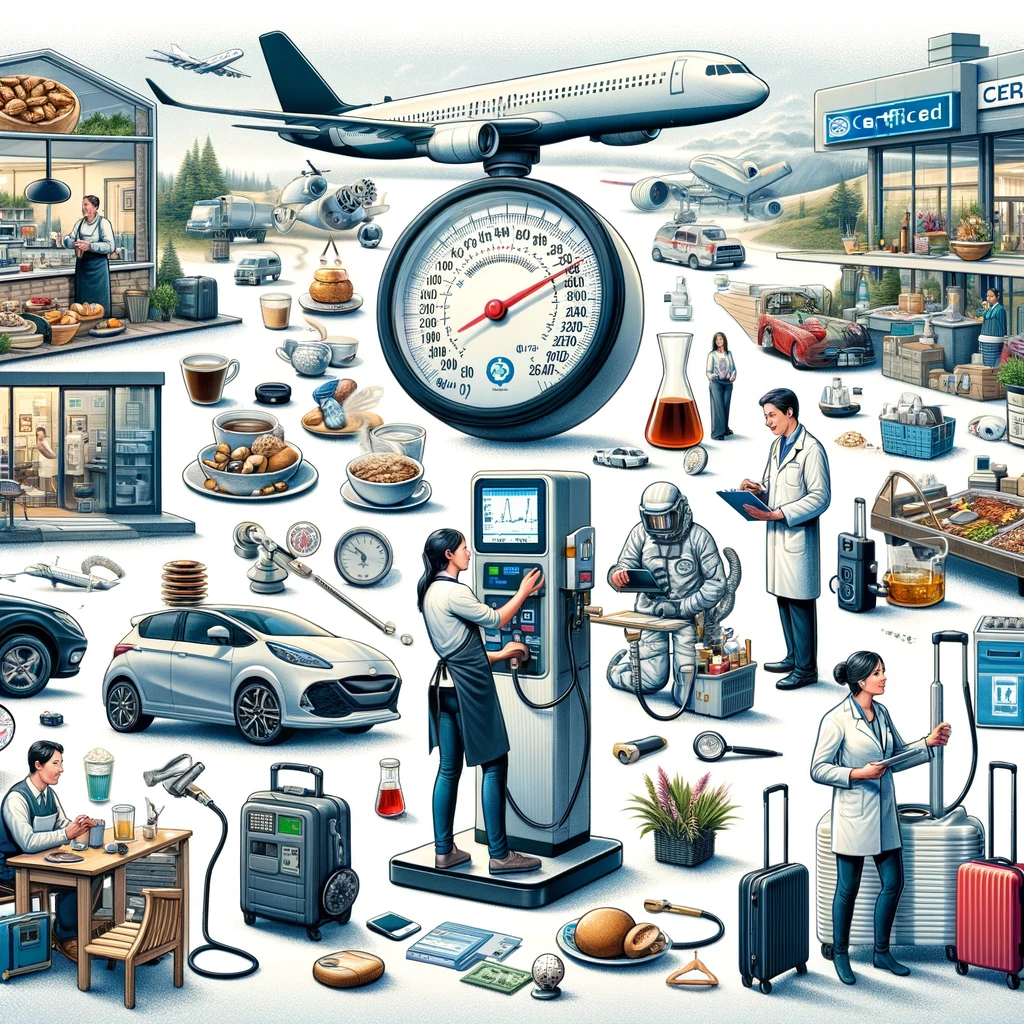
Measurement plays a pivotal role in daily life, influencing almost every activity, decision, and aspect of our environment. Its importance can be seen in various contexts, from simple tasks to complex processes, highlighting its foundational role in the functioning of society. Here are some key areas where the importance of measurement is evident.
Healthcare
Measurements are crucial in diagnosing and treating patients. Accurate doses of medication, blood pressure readings, body temperature, and other vital statistics are essential for effective medical care. Without precise measurements, healthcare professionals would not be able to provide the appropriate treatments or make accurate diagnoses.
Cooking and Nutrition
In cooking, measurements determine the success of recipes, ensuring the desired taste and texture of food. Nutritional information, based on measurements, guides us in making healthier food choices by providing information on calorie intake, vitamin content, and portion sizes.
Commerce and Trade
Measurement ensures fair trade and commerce. It allows for the accurate pricing of goods based on weight, volume, or length, protecting both consumers and sellers. Legal metrology, a branch of metrology, ensures that commercial transactions that depend on measurements are conducted fairly and transparently.
Safety
Measurements contribute to safety in various ways, from determining vehicle speeds to ensuring they are within legal limits to assessing environmental parameters like air and water quality. In construction, accurate measurements ensure the structural integrity of buildings and infrastructure, safeguarding against accidents.
Energy Consumption
Measurement is key to monitoring and managing energy consumption, whether it’s electricity, gas, or water. Accurate meters help consumers understand their usage patterns, promote energy conservation, and reduce utility bills.
Education and Research
In the academic realm, measurement is fundamental to scientific research. It allows for the exploration and understanding of natural phenomena, the testing of hypotheses, and the development of new technologies and solutions.
Time Management
Measurement of time affects almost all aspects of daily life, from scheduling work and school activities to coordinating transportation and personal leisure activities. Timekeeping is crucial for maintaining order and efficiency in society.
Entertainment and Sports
In sports, measurement determines winners, records performance statistics, and sets standards for fairness and equity in competitions. Entertainment technologies also rely on precise measurements, from the calibration of musical instruments to the specifications for audio and visual equipment, ensuring high-quality experiences.
Environmental Monitoring
Measurements are vital for assessing environmental conditions, tracking climate changes, and monitoring natural resources. This information is crucial for making informed decisions about conservation, sustainability, and responding to natural disasters.
In every aspect, measurement enhances the quality of life, underpins fairness and safety in societal transactions, and drives progress in science and technology. It’s an indispensable part of daily living, often unnoticed but always essential.
Metrology in Scientific Research
Measurement is the cornerstone of scientific research, enabling scientists to explore, understand, and manipulate the natural world with precision and accuracy. It fosters scientific progress, technological innovation, and informed decision-making, ultimately contributing to society’s advancement

The importance of measurement in scientific research is paramount, serving as the backbone of empirical inquiry and the advancement of knowledge across disciplines. Measurements allow scientists to quantify phenomena, test hypotheses, analyze data, and draw conclusions with precision and objectivity. Metrology plays a critical role in measurement in scientific research in the following areas:
Quantification of Natural Phenomena
Measurements enable scientists to quantify observations, converting qualitative descriptions into quantitative data. This quantification is essential for understanding the magnitude, frequency, and variations of natural phenomena, allowing for more precise and meaningful scientific analysis.
Hypothesis Testing and Validation
Scientific research often involves formulating hypotheses based on observations. Measurements provide the empirical data necessary to test these hypotheses. By comparing measured results against theoretical predictions, researchers can validate or refute hypotheses, contributing to the accumulation of scientific knowledge.
Standardization and Replicability
Accurate and consistent measurements are crucial for standardizing scientific experiments. Standardized measurement procedures ensure that other researchers can replicate experiments, an essential aspect of verifying and validating scientific findings. Replicability reinforces the reliability and credibility of scientific research.
Advancement of Technology
Measurement technologies are often developed in response to the needs of scientific research. The creation and refinement of measurement instruments, such as microscopes, spectrometers, and particle accelerators, enable researchers to explore previously inaccessible aspects of the natural world. This technological advancement drives further scientific discovery and innovation.
Interdisciplinary Research
Measurements facilitate interdisciplinary research by providing a common language for scientists from diverse fields. Quantitative data allows researchers to integrate knowledge across disciplines, leading to a comprehensive understanding of complex systems and phenomena.
Data Analysis and Interpretation
In scientific research, measurements are subjected to statistical analysis to interpret data patterns, relationships, and trends. This analysis is fundamental to drawing evidence-based conclusions and making informed decisions, contributing to the development of theories and models that describe the natural world.
Environmental Monitoring and Management
Measurement plays a critical role in environmental science, enabling the monitoring of changes in climate, biodiversity, pollution levels, and resource use. Accurate measurements are essential for assessing the impact of human activities on the environment and for developing strategies for sustainable management of natural resources.
Policy and Decision Making
Scientific research informed by precise measurements can influence policy and decision-making. Data on public health, environmental risks, and technological impacts, for example, are critical for developing policies that protect public welfare and promote sustainable development.
Quality Control
The role of measurement in quality control is indispensable. It underpins efforts to maintain high standards of product quality, comply with regulations, satisfy customer expectations, and improve business operations. It is a critical component of a company’s quality assurance strategy, contributing to its overall success and sustainability
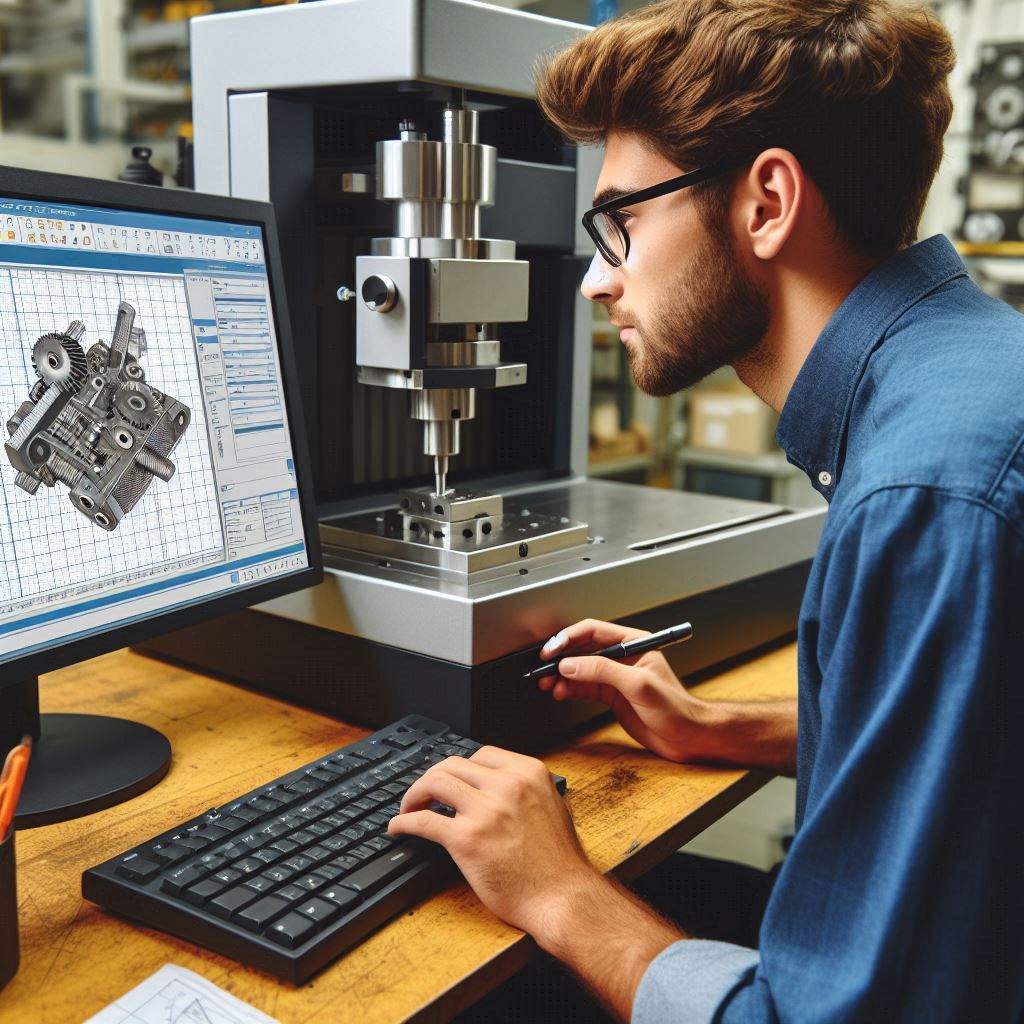
The importance of measurement in quality control is fundamental to ensuring the reliability, safety, and satisfaction of products and services across industries. Quality control (QC) refers to the processes and procedures companies use to ensure that their products meet specified requirements and standards. Measurements play a critical role in this process by providing objective data that can be analyzed to make informed decisions and how measurements impact quality control in the following ways.
Ensuring Product Consistency
Measurement allows for the monitoring of production processes to ensure consistency in product quality. By regularly measuring and comparing product dimensions, composition, and performance against established standards, companies can identify variations and implement corrective actions to maintain consistency.
Compliance with Standards and Regulations
Many industries are governed by strict standards and regulations that ensure products are safe and effective. Measurements are essential for demonstrating compliance with these standards, whether they pertain to environmental impact, health and safety, or product performance. Failure to meet these standards can result in legal repercussions and damage to a company’s reputation.
Enhancing Customer Satisfaction
Accurate measurement ensures that products meet customer expectations in terms of quality, functionality, and reliability. This is crucial for building customer trust and loyalty. By consistently delivering products that satisfy customer requirements, companies can enhance their reputation and competitive edge in the market.
Reducing Costs and Waste
Precise measurements can identify inefficiencies and waste in production processes, allowing companies to make adjustments that save materials and reduce costs. By minimizing waste and optimizing resource use, companies can improve their profitability while also contributing to environmental sustainability.
Facilitating Continuous Improvement
Measurement provides the data necessary for continuous improvement processes, such as Lean Six Sigma or Total Quality Management (TQM). These approaches rely on quantitative data to identify areas for improvement, streamline processes, and enhance product quality over time.
Risk Management
Accurate measurements help in identifying potential risks and non-conformities in products and processes early on. This proactive approach to quality control can prevent costly recalls, legal issues, and harm to consumers, thereby protecting a company’s financial stability and brand image.
Decision-Making and Strategic Planning
Measurement data supports informed decision-making and strategic planning. By analyzing trends and patterns in quality data, companies can anticipate changes in market demands, adapt their production strategies accordingly, and invest in areas that promise the greatest return on quality improvements.
Enhancing Competitive Advantage
Quality can be a significant differentiator in highly competitive markets. Companies that employ rigorous measurement and quality control practices can distinguish themselves by offering superior products. This not only attracts customers but also establishes the company as a leader in quality within its industry.